Lloyd's Automotive and Transmission Specialists Blog

Transmission fluid plays an important role in keeping your vehicle’s transmission lubricated, cooled, and operating properly. When a leak develops, ignoring it can allow the fluid level to drop and potentially contribute to serious transmission problems. If you suspect your vehicle has a transmission fluid leak, there’s a good chance you have some questions. At Lloyd’s Automotive & Transmission Specialists, our local mechanics are happy to answer your questions about transmission fluid leak repair in the greater Olympia, WA area. What Are the Signs of a Transmission Fluid Leak? One of the most obvious signs is a puddle or spots of fluid underneath your vehicle after it has been parked. Transmission fluid often appears reddish but may be darker depending on its age and condition. You may also notice slipping gears, delayed shifting, unusual noises, or difficulty changing gears if the fluid level becomes too low. Any suspected leak should be inspected promptly. What Causes Transmission Fluid Leaks? Transmission fluid leaks can develop for several reasons. A worn transmission pan gasket, damaged seal, cracked transmission component, or deteriorated fluid line can allow fluid to escape. Normal wear and age can contribute to some leaks, while impact damage or improper installation may cause others. A professional inspection can help identify the exact source rather than simply replacing fluid. Can I Keep Driving With a Transmission Leak? It’s generally best to avoid driving unnecessarily when your vehicle has a known transmission fluid leak. A small leak can worsen over time, and continued fluid loss can leave the transmission without adequate lubrication. Operating a vehicle with insufficient transmission fluid can contribute to increased friction, overheating, and internal wear. If the leak appears significant or the vehicle is shifting poorly, professional assistance should be sought promptly. How Is a Transmission Fluid Leak Repaired? The repair depends on where the leak originates. A technician may inspect the transmission, seals, pan, lines, and surrounding components to locate the source. Once identified, the damaged gasket, seal, line, or other component can be repaired or replaced as appropriate. The transmission fluid level can then be checked and corrected according to the vehicle manufacturer's specifications. Where Can I Get Transmission Fluid Leak Repair in Olympia? For expert transmission repair in Olympia and the surrounding area, contact Lloyd’s Automotive & Transmission Specialists at (360) 357-7422. Feel free to give us a call to schedule an appointment!
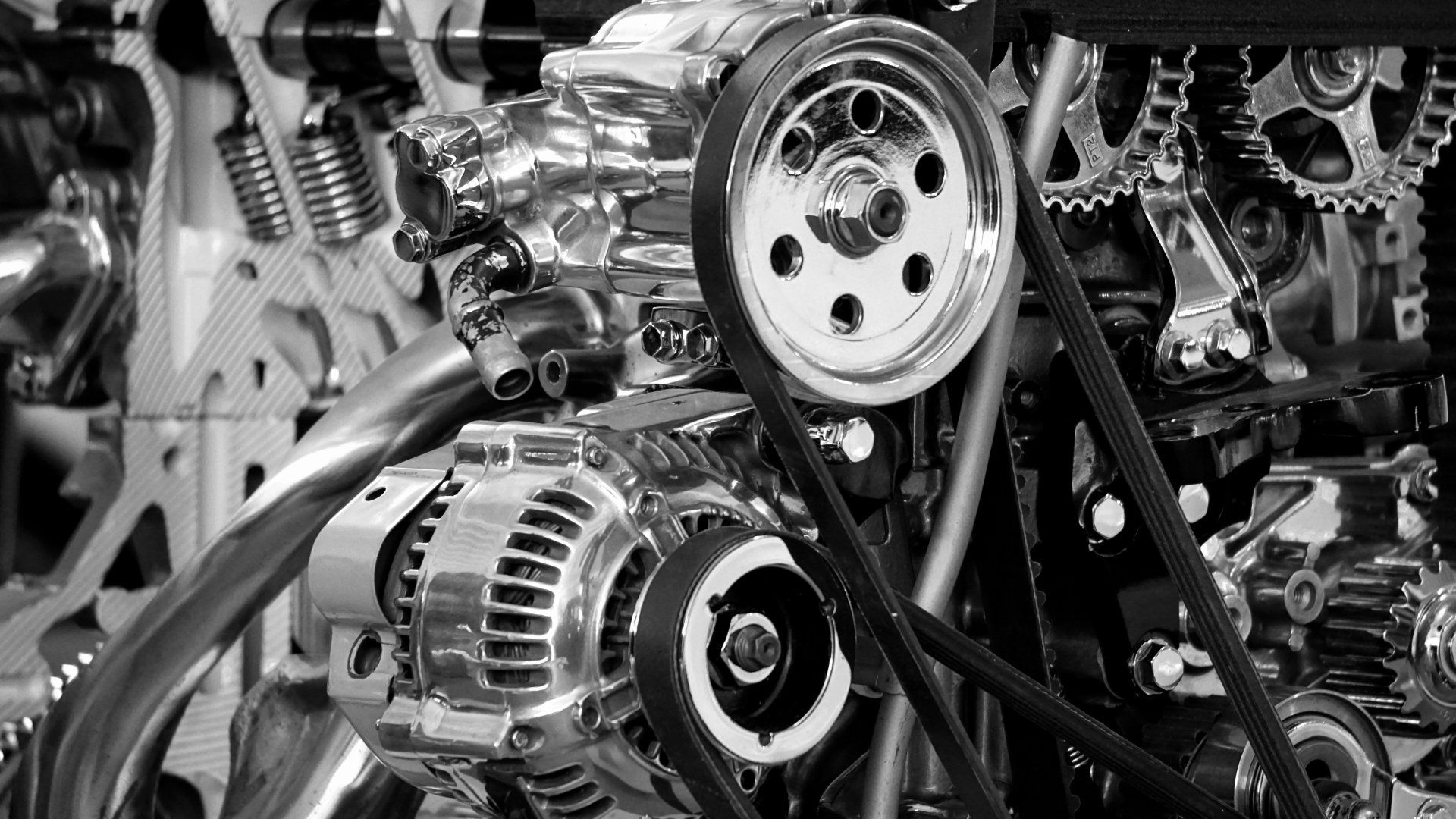
Your alternator is responsible for generating electricity while the engine is running and keeping the battery charged. It also powers important electrical systems such as your headlights, dashboard electronics, power windows, and climate controls. When the alternator begins to fail, your vehicle may develop a variety of electrical problems that can eventually leave you stranded with a dead battery. Recognizing the warning signs early can help you avoid a breakdown. At Lloyd’s Automotive & Transmission Specialists, we provide expert alternator replacement and auto electric repair in the greater Olympia, WA area. Here are four common signs that your alternator may be failing. Issues with Headlights One of the more common symptoms of alternator trouble is dimming or flickering headlights. Since the alternator supplies power to your vehicle's electrical system, a failing unit may struggle to provide consistent voltage, causing headlights to act erratically. Interior lights and dashboard illumination may also appear weaker than usual. Battery Warning Light Illuminates Modern vehicles often have a battery-shaped warning light on the dashboard that can indicate a charging system problem. Although many drivers assume this light means the battery is failing, it often points to an issue with the alternator. If this warning light appears, it's important to have your vehicle inspected promptly to determine the underlying cause before the battery becomes completely discharged. Electrical Accessories Stop Working Properly A weak alternator may not produce enough electricity to power all of your vehicle's electrical accessories. You might notice slow power windows, malfunctioning power locks, dim dashboard displays, or problems with the radio and climate control system. As the alternator continues to deteriorate, these electrical issues often become more frequent and severe. Dead Battery Despite Recent Replacement If you've recently installed a new battery but it continues losing its charge, the alternator may be the real problem. A healthy alternator continuously replenishes the battery while you drive. When it fails, the battery discharges until the vehicle can no longer start. Alternator Replacement & Auto Electric Repair in Olympia, WA For expert auto repair in Olympia and the surrounding area, contact Lloyd’s Automotive & Transmission Specialists at (360) 357-7422. Feel free to give us a call to make an appointment!
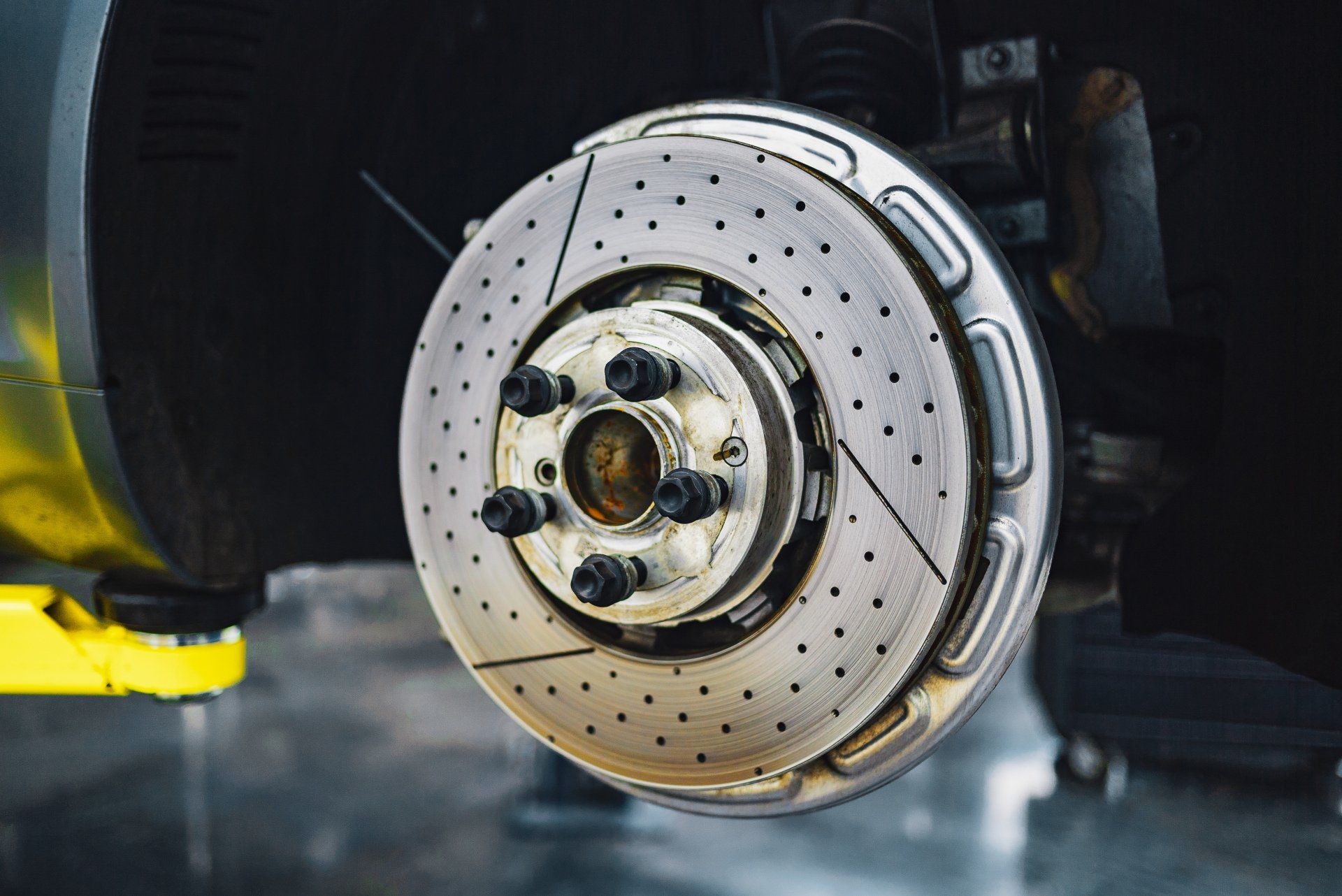
Your vehicle's braking system is one of its most important safety features. Whether you're driving through city traffic or traveling at highway speeds, dependable brakes are essential for maintaining control and avoiding accidents. Because brake components wear over time, it's important to recognize the warning signs of trouble before they develop into more serious problems. At Lloyd’s Automotive & Transmission Specialists, we provide expert brake repair in the greater Olympia, WA area. Here are five common signs of brake trouble. Soft Brake Pedal If the brake pedal feels soft, spongy, or sinks farther than normal when pressed, there may be a problem within the hydraulic braking system. Low brake fluid or air in the brake lines can reduce braking performance. This symptom could be due to a brake fluid leak, which creates a major safety risk. A soft brake pedal should always be professionally inspected because it can significantly affect your ability to stop safely. Squealing or Grinding Noises Oftentimes, one of the first signs of brake trouble is unusual noise when applying the brakes. Brake pads are commonly equipped with built-in wear indicators that create a high-pitched squeal when the pads become worn. If the noise progresses to a grinding sound, the brake pads may have worn completely through, allowing metal components to contact the brake rotors. Grinding should be addressed immediately to prevent costly damage. Vibrations While Braking Vibrations when slowing down often indicate warped brake rotors. Uneven rotor surfaces prevent the brake pads from making consistent contact, creating noticeable pulsations during braking. Prompt rotor resurfacing or replacement helps restore smooth braking. Vehicle Pulling to One Side If your vehicle pulls left or right while braking, one side of the braking system may not be functioning properly. A sticking brake caliper could be to blame for this, potentially because of corrosion. Brake Warning Light Modern vehicles are equipped with dashboard warning lights that monitor various parts of the braking system. If the brake warning light illuminates, the vehicle has detected a problem that requires attention. Even if the brakes seem to function normally, professional diagnostics are necessary to identify the cause and ensure the system continues operating safely. Brake Repair in Olympia, WA For expert auto repair in Olympia and the surrounding area, contact Lloyd’s Automotive & Transmission Specialists at (360) 357-7422. Feel free to give us a call to schedule an appointment for your vehicle’s repair or maintenance needs!

Within your suspension system, components such as shocks, struts, springs, and control arms work together to absorb bumps and improve handling. When suspension parts begin to wear out, you may notice changes in ride quality and vehicle performance. Recognizing the warning signs early can help prevent more extensive damage and keep your vehicle safe to drive. At Lloyd’s Automotive & Transmission Specialists, we provide expert suspension repair in the greater Olympia, WA area. Here are four common signs of suspension trouble. Excessive Bouncing After Hitting Bumps A vehicle with healthy shocks and struts should quickly stabilize after driving over a bump or pothole. If your car continues bouncing several times after encountering a rough section of road, worn suspension components may be the cause. Excessive bouncing can reduce control and make driving a lot less comfortable. Vehicle Pulling During Turns A properly functioning suspension system helps keep the vehicle stable when cornering. If you notice a feeling that the vehicle is pulling during turns, worn suspension components may be affecting stability. These symptoms can make the vehicle feel less predictable and more difficult to control. Clunking or Knocking Noises Unusual noises coming from underneath the vehicle can signal suspension wear. Clunking, rattling, or knocking sounds may occur when driving over rough roads. These noises can be caused by worn bushings, damaged control arms, loose components, or failing shocks and struts. Uneven Tire Wear Suspension problems can affect how your tires make contact with the road. As a result, tires may wear unevenly or develop bald spots. Uneven tire wear not only shortens tire life, but can also reduce traction and handling performance. Regular tire inspections can help identify suspension issues before they become more serious. Suspension Repair in Olympia, WA For expert auto repair in Olympia, WA and the surrounding area, contact Lloyd’s Automotive & Transmission Specialists at (360) 357-7422. At our local auto shop, we can thoroughly handle your vehicle’s repair and maintenance needs. Feel free to give us a call to make an appointment for car care in greater Olympia!

Your vehicle’s transmission is one of its most important and expensive components. It’s responsible for transferring power from the engine to the wheels and ensuring smooth gear changes while driving. Unfortunately, transmission problems can become extremely costly if they’re ignored or allowed to worsen over time. But many major transmission repairs can be avoided with proper care and maintenance. By developing a few smart driving and maintenance habits, you can help extend the life of your transmission and reduce the risk of serious issues. At Lloyd’s Automotive & Transmission Specialists, we provide expert transmission service in the greater Olympia area. Here are four tips for preventing major transmission repairs. Keep Up with Transmission Fluid Maintenance Transmission fluid plays a critical role in lubricating, cooling, and protecting the internal components of your transmission. Over time, the fluid can become dirty or break down, reducing its effectiveness. Low or contaminated fluid can lead to overheating, rough shifting, and excessive wear. Following your manufacturer’s recommendations for transmission fluid checks and changes is one of the best ways to keep the system operating properly. Avoid Aggressive Driving Habits Rapid acceleration and sudden gear changes can put unnecessary stress on your transmission. Aggressive driving causes components to work harder and wear out more quickly over time. Driving smoothly and allowing your vehicle to shift gears naturally can help reduce strain and improve the longevity of the transmission. Get to the Shop ASAP if You Notice Warning Signs of Trouble Transmission issues often begin with symptoms that become more serious if ignored. Warning signs may include delayed shifting, slipping gears, grinding noises, burning smells, or fluid leaks. If you notice any unusual behavior while driving, it’s important to have your vehicle inspected promptly. Catching small problems early can prevent much larger and more expensive repairs later. Schedule Routine Vehicle Inspections Regular inspections by an experienced transmission mechanic can help identify problems before they become severe. During routine maintenance visits, technicians can check fluid condition, inspect for leaks, and evaluate how the transmission is performing. Preventive maintenance is far less expensive than major transmission repairs or a full replacement. Transmission Service in Olympia, WA When you need transmission service in Olympia and the surrounding area, contact Lloyd’s Automotive & Transmission Specialists at (360) 357-7422. At our nearby auto shop, we can expertly handle your vehicle’s repair and maintenance needs. Feel free to give us a call to schedule an appointment!
Transmission fluid plays an important role in keeping your vehicle’s transmission lubricated, cooled, and operating properly. When a leak develops, ignoring it can allow the fluid level to drop and potentially contribute to serious transmission problems. If you suspect your vehicle has a transmission fluid leak, there’s a good chance you have some questions. At Lloyd’s Automotive & Transmission Specialists, our local mechanics are happy to answer your questions about transmission fluid leak repair in the greater Olympia, WA area. What Are the Signs of a Transmission Fluid Leak? One of the most obvious signs is a puddle or spots of fluid underneath your vehicle after it has been parked. Transmission fluid often appears reddish but may be darker depending on its age and condition. You may also notice slipping gears, delayed shifting, unusual noises, or difficulty changing gears if the fluid level becomes too low. Any suspected leak should be inspected promptly. What Causes Transmission Fluid Leaks? Transmission fluid leaks can develop for several reasons. A worn transmission pan gasket, damaged seal, cracked transmission component, or deteriorated fluid line can allow fluid to escape. Normal wear and age can contribute to some leaks, while impact damage or improper installation may cause others. A professional inspection can help identify the exact source rather than simply replacing fluid. Can I Keep Driving With a Transmission Leak? It’s generally best to avoid driving unnecessarily when your vehicle has a known transmission fluid leak. A small leak can worsen over time, and continued fluid loss can leave the transmission without adequate lubrication. Operating a vehicle with insufficient transmission fluid can contribute to increased friction, overheating, and internal wear. If the leak appears significant or the vehicle is shifting poorly, professional assistance should be sought promptly. How Is a Transmission Fluid Leak Repaired? The repair depends on where the leak originates. A technician may inspect the transmission, seals, pan, lines, and surrounding components to locate the source. Once identified, the damaged gasket, seal, line, or other component can be repaired or replaced as appropriate. The transmission fluid level can then be checked and corrected according to the vehicle manufacturer's specifications. Where Can I Get Transmission Fluid Leak Repair in Olympia? For expert transmission repair in Olympia and the surrounding area, contact Lloyd’s Automotive & Transmission Specialists at (360) 357-7422. Feel free to give us a call to schedule an appointment!
Your alternator is responsible for generating electricity while the engine is running and keeping the battery charged. It also powers important electrical systems such as your headlights, dashboard electronics, power windows, and climate controls. When the alternator begins to fail, your vehicle may develop a variety of electrical problems that can eventually leave you stranded with a dead battery. Recognizing the warning signs early can help you avoid a breakdown. At Lloyd’s Automotive & Transmission Specialists, we provide expert alternator replacement and auto electric repair in the greater Olympia, WA area. Here are four common signs that your alternator may be failing. Issues with Headlights One of the more common symptoms of alternator trouble is dimming or flickering headlights. Since the alternator supplies power to your vehicle's electrical system, a failing unit may struggle to provide consistent voltage, causing headlights to act erratically. Interior lights and dashboard illumination may also appear weaker than usual. Battery Warning Light Illuminates Modern vehicles often have a battery-shaped warning light on the dashboard that can indicate a charging system problem. Although many drivers assume this light means the battery is failing, it often points to an issue with the alternator. If this warning light appears, it's important to have your vehicle inspected promptly to determine the underlying cause before the battery becomes completely discharged. Electrical Accessories Stop Working Properly A weak alternator may not produce enough electricity to power all of your vehicle's electrical accessories. You might notice slow power windows, malfunctioning power locks, dim dashboard displays, or problems with the radio and climate control system. As the alternator continues to deteriorate, these electrical issues often become more frequent and severe. Dead Battery Despite Recent Replacement If you've recently installed a new battery but it continues losing its charge, the alternator may be the real problem. A healthy alternator continuously replenishes the battery while you drive. When it fails, the battery discharges until the vehicle can no longer start. Alternator Replacement & Auto Electric Repair in Olympia, WA For expert auto repair in Olympia and the surrounding area, contact Lloyd’s Automotive & Transmission Specialists at (360) 357-7422. Feel free to give us a call to make an appointment!
Your vehicle's braking system is one of its most important safety features. Whether you're driving through city traffic or traveling at highway speeds, dependable brakes are essential for maintaining control and avoiding accidents. Because brake components wear over time, it's important to recognize the warning signs of trouble before they develop into more serious problems. At Lloyd’s Automotive & Transmission Specialists, we provide expert brake repair in the greater Olympia, WA area. Here are five common signs of brake trouble. Soft Brake Pedal If the brake pedal feels soft, spongy, or sinks farther than normal when pressed, there may be a problem within the hydraulic braking system. Low brake fluid or air in the brake lines can reduce braking performance. This symptom could be due to a brake fluid leak, which creates a major safety risk. A soft brake pedal should always be professionally inspected because it can significantly affect your ability to stop safely. Squealing or Grinding Noises Oftentimes, one of the first signs of brake trouble is unusual noise when applying the brakes. Brake pads are commonly equipped with built-in wear indicators that create a high-pitched squeal when the pads become worn. If the noise progresses to a grinding sound, the brake pads may have worn completely through, allowing metal components to contact the brake rotors. Grinding should be addressed immediately to prevent costly damage. Vibrations While Braking Vibrations when slowing down often indicate warped brake rotors. Uneven rotor surfaces prevent the brake pads from making consistent contact, creating noticeable pulsations during braking. Prompt rotor resurfacing or replacement helps restore smooth braking. Vehicle Pulling to One Side If your vehicle pulls left or right while braking, one side of the braking system may not be functioning properly. A sticking brake caliper could be to blame for this, potentially because of corrosion. Brake Warning Light Modern vehicles are equipped with dashboard warning lights that monitor various parts of the braking system. If the brake warning light illuminates, the vehicle has detected a problem that requires attention. Even if the brakes seem to function normally, professional diagnostics are necessary to identify the cause and ensure the system continues operating safely. Brake Repair in Olympia, WA For expert auto repair in Olympia and the surrounding area, contact Lloyd’s Automotive & Transmission Specialists at (360) 357-7422. Feel free to give us a call to schedule an appointment for your vehicle’s repair or maintenance needs!
Within your suspension system, components such as shocks, struts, springs, and control arms work together to absorb bumps and improve handling. When suspension parts begin to wear out, you may notice changes in ride quality and vehicle performance. Recognizing the warning signs early can help prevent more extensive damage and keep your vehicle safe to drive. At Lloyd’s Automotive & Transmission Specialists, we provide expert suspension repair in the greater Olympia, WA area. Here are four common signs of suspension trouble. Excessive Bouncing After Hitting Bumps A vehicle with healthy shocks and struts should quickly stabilize after driving over a bump or pothole. If your car continues bouncing several times after encountering a rough section of road, worn suspension components may be the cause. Excessive bouncing can reduce control and make driving a lot less comfortable. Vehicle Pulling During Turns A properly functioning suspension system helps keep the vehicle stable when cornering. If you notice a feeling that the vehicle is pulling during turns, worn suspension components may be affecting stability. These symptoms can make the vehicle feel less predictable and more difficult to control. Clunking or Knocking Noises Unusual noises coming from underneath the vehicle can signal suspension wear. Clunking, rattling, or knocking sounds may occur when driving over rough roads. These noises can be caused by worn bushings, damaged control arms, loose components, or failing shocks and struts. Uneven Tire Wear Suspension problems can affect how your tires make contact with the road. As a result, tires may wear unevenly or develop bald spots. Uneven tire wear not only shortens tire life, but can also reduce traction and handling performance. Regular tire inspections can help identify suspension issues before they become more serious. Suspension Repair in Olympia, WA For expert auto repair in Olympia, WA and the surrounding area, contact Lloyd’s Automotive & Transmission Specialists at (360) 357-7422. At our local auto shop, we can thoroughly handle your vehicle’s repair and maintenance needs. Feel free to give us a call to make an appointment for car care in greater Olympia!
Your vehicle’s transmission is one of its most important and expensive components. It’s responsible for transferring power from the engine to the wheels and ensuring smooth gear changes while driving. Unfortunately, transmission problems can become extremely costly if they’re ignored or allowed to worsen over time. But many major transmission repairs can be avoided with proper care and maintenance. By developing a few smart driving and maintenance habits, you can help extend the life of your transmission and reduce the risk of serious issues. At Lloyd’s Automotive & Transmission Specialists, we provide expert transmission service in the greater Olympia area. Here are four tips for preventing major transmission repairs. Keep Up with Transmission Fluid Maintenance Transmission fluid plays a critical role in lubricating, cooling, and protecting the internal components of your transmission. Over time, the fluid can become dirty or break down, reducing its effectiveness. Low or contaminated fluid can lead to overheating, rough shifting, and excessive wear. Following your manufacturer’s recommendations for transmission fluid checks and changes is one of the best ways to keep the system operating properly. Avoid Aggressive Driving Habits Rapid acceleration and sudden gear changes can put unnecessary stress on your transmission. Aggressive driving causes components to work harder and wear out more quickly over time. Driving smoothly and allowing your vehicle to shift gears naturally can help reduce strain and improve the longevity of the transmission. Get to the Shop ASAP if You Notice Warning Signs of Trouble Transmission issues often begin with symptoms that become more serious if ignored. Warning signs may include delayed shifting, slipping gears, grinding noises, burning smells, or fluid leaks. If you notice any unusual behavior while driving, it’s important to have your vehicle inspected promptly. Catching small problems early can prevent much larger and more expensive repairs later. Schedule Routine Vehicle Inspections Regular inspections by an experienced transmission mechanic can help identify problems before they become severe. During routine maintenance visits, technicians can check fluid condition, inspect for leaks, and evaluate how the transmission is performing. Preventive maintenance is far less expensive than major transmission repairs or a full replacement. Transmission Service in Olympia, WA When you need transmission service in Olympia and the surrounding area, contact Lloyd’s Automotive & Transmission Specialists at (360) 357-7422. At our nearby auto shop, we can expertly handle your vehicle’s repair and maintenance needs. Feel free to give us a call to schedule an appointment!